
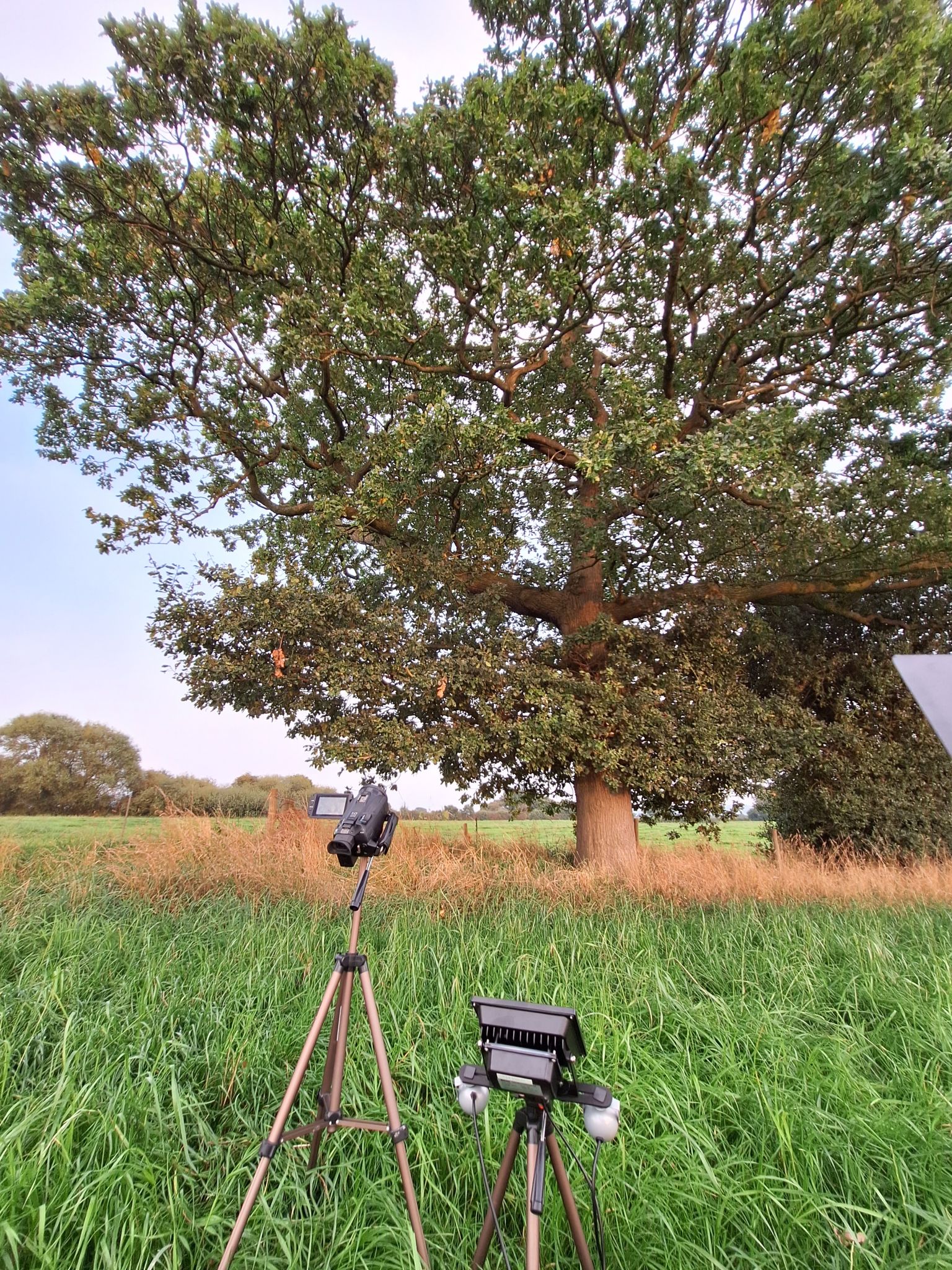
Lutra Eco understands that fieldwork is the foundation of robust ecological assessment and informed decision making. We utilise detailed natural history knowledge, experience with protected and notable species, and rigorous survey methodologies to provide high-quality, accurate, dependable ecological information.
Our surveys are designed around the requirements of each site and project, providing the evidence needed to understand ecological constraints and opportunies, inform decision-making and support effective conservation, mitigation and management.
Protected species

Amphibians
Great crested newt (GCN) surveys, including eDNA sampling, trapping, torching and habitat suitability index (HSI) assessments.

Bats
Dusk and dawn activity surveys, static deployment, ground level tree assessments, sound analysis and emergence counts.

Water voles
Study of riverbanks and waterways for evidence, including feeding stations, latrines and burrows, to determine population presence. *
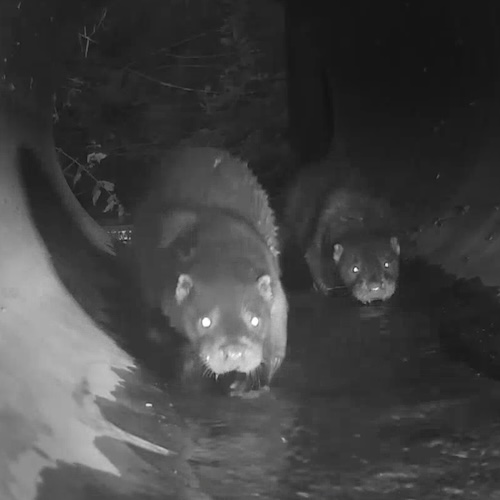
Otter
Riparian surveys evaluating watercourses for holts, couches, spraints, and footprints, ensuring development proposals account for otter presence

Birds
Ornithological surveys including breeding bird, wintering bird and vantage point to support habitat management and planning.

Badgers
Walkover surveys, sett monitoring and territory assessments to identify presence and potential impacts.

Reptiles
Understand presence and population of all UK species using targeted approved surveys. *

Invertebrates
Identify rare or threatened insect species and evaluate habitat quality for key assemblages to inform management or planning strategies.
* Image used under licence

Habitat surveys
Baseline surveys including NVC, Phase 1 and UKHab classifications.

Invasive non-native species
Identify and record Schedule 9 non-native invasive species, assess their extent and impact, and create practical, site-specific action plans for control or removal.

Preliminary scoping
Early-stage identification of potential ecological constraints, features of interest, compliance and survey strategies.